The Afterlife of a Fascia: Retiring Signage Without the Skip
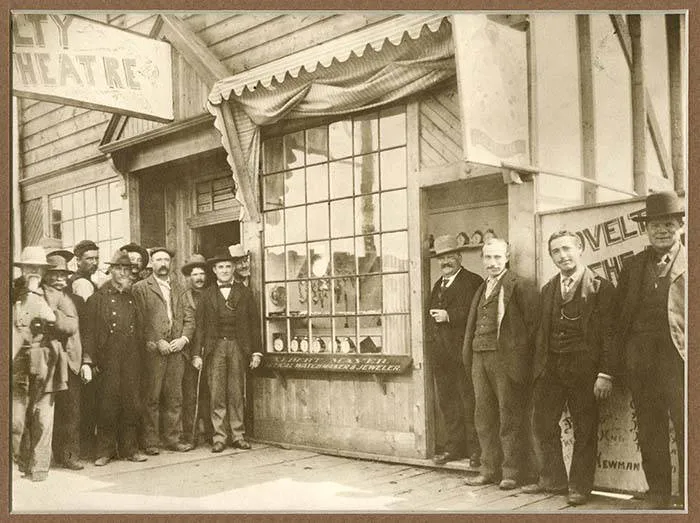
Photo: Unknown authorUnknown author, Public domain, via Wikimedia Commons
Every shopfront has an ending. A lease runs out, a business moves, a brand refreshes its look. The sign comes down, and too often it goes straight into a skip: a perfectly sound aluminium tray, a set of acrylic letters, a light box that was working last week. In 2026, with commercial waste rules and material costs where they are, that feels less like housekeeping and more like waste.
Retiring a sign well is not complicated, but it does need a plan before the screwdriver comes out. Here is a practical guide for UK organisations, from the first inventory to the last waste transfer note.
Take stock before you take it down
The worst time to decide what to do with a sign is when it is lying in pieces on the pavement. Before removal, photograph the sign from several angles and note the key dimensions. Then ask the sign maker, or whoever installed it, what it is made of. A typical fascia might include an aluminium tray, acrylic faces, vinyl graphics, LED modules, a power supply and a bundle of fixings. Each of those has a different route.
Label the parts as they come down. Keep the LEDs and transformers together. Keep the acrylic letters in a flat box rather than a loose bag. If the sign is going to be reused or donated, the fixings and spacing template are as valuable as the face itself.
Reuse starts with the frame
Aluminium fascia trays are often the most reusable part of the whole assembly. If the dimensions still suit the site, a sign company can strip the old vinyl or acrylic and fit a new face. That is usually cheaper and faster than building a new tray, and it keeps a chunk of aluminium in service. Light boxes can be re-faced in the same way, provided the box and electrical components are still sound.
Acrylic letters can sometimes be cleaned, re-polished and re-mounted, especially if they were face-fixed rather than bonded flush. Individual letters with broken returns are less easy, but they can still be used for interior signs or donated to a workshop. The question to ask is not 'is it perfect?' but 'is it fit for the next job?'
Resale and donation
There is a market for used signage, but it is not a fast one. Architectural salvage yards, online marketplaces and local maker spaces sometimes take panels, letters and light boxes. Schools, theatres and community groups may want plain acrylic or aluminium for projects. If you are donating branded signage, remove or obscure the trademarks first unless you have permission to pass them on. A donated sign with a live brand on it can create confusion and, in some cases, a legal headache.
For anything with a business name on it, think about what happens if it turns up in a photo online. Reuse is good; a random shopfront in another town wearing your logo is not. A quick coat of primer or a vinyl over-panel can solve that, but it needs to be part of the plan.
Material separation: what actually goes where
This is where 'recyclable' gets slippery. Aluminium is widely recycled and has a decent scrap value, so keep it separate from mixed waste. Acrylic, also called PMMA, is technically recyclable, but kerbside collections rarely take it and not every commercial waste contractor wants it. Cast and extruded acrylic behave differently, and contaminated sheets with adhesive residue are harder to process.
Vinyl is the awkward one. PVC graphics, self-adhesive films and printed wraps are not generally recyclable through household or standard commercial waste streams. They are often designed for durability, not disassembly. Some specialist processors take clean vinyl, but you need to check locally rather than assume.
LED modules and power supplies are electrical waste. In the UK, they fall under WEEE regulations and should go to an authorised recycling point or be taken back by a contractor, not binned with general waste. Batteries, if any, need separate handling. This is not glamorous, but it is the difference between a genuine recycling claim and a green sticker on a skip.
Check the local rules
Commercial waste is not the same as household waste. In England, businesses need to arrange their own waste collection or use a permitted site, and they have a duty of care to check that the waste is handled properly. Waste transfer notes are part of that. The rules vary across the UK, and local councils have different arrangements for trade waste and recycling centres. A quick call to the council or the waste contractor before the removal day is worth more than a last-minute scramble.
If you are using a sign company to remove the sign, ask where the materials are going. A reputable firm should be able to tell you whether the aluminium is being separated, whether the acrylic is being reused and whether the electrical parts are going to a WEEE route. If the answer is 'it all goes in the van', ask a follow-up question.
Write decommissioning into the brief
The simplest way to retire a sign well is to plan for it when you commission the next one. Ask for a material list. Ask whether the tray can be re-faced. Ask whether the fixings are accessible. Ask what the sign maker will take back at end of life. This is not about being preachy; it is about knowing what you are buying. A sign that can be disassembled is a better sign, even if it never is.
In 2026, 'recyclable' should mean something more than 'we hope so'. For signage, it usually means separating aluminium, acrylic, vinyl and electrical components, and choosing a route for each. It means asking questions before the skip arrives. And it means accepting that the most sustainable sign is often the one that stays in use, in some form, for longer.
A short checklist before removal
- Photograph and measure the sign before it comes down.
- Ask what each layer is made of.
- Keep aluminium, acrylic, vinyl and electrical parts separate.
- Clean and box reusable letters.
- Remove or cover trademarks before donation or resale.
- Check commercial waste rules with your council or contractor.
- Ask for a waste transfer note if a contractor takes it away.
- Ask the next sign maker what they will take back.
A sign is not just a logo on a panel. It is a stack of materials with a life after the shop closes. Giving it a decent ending is part of making it well in the first place.